








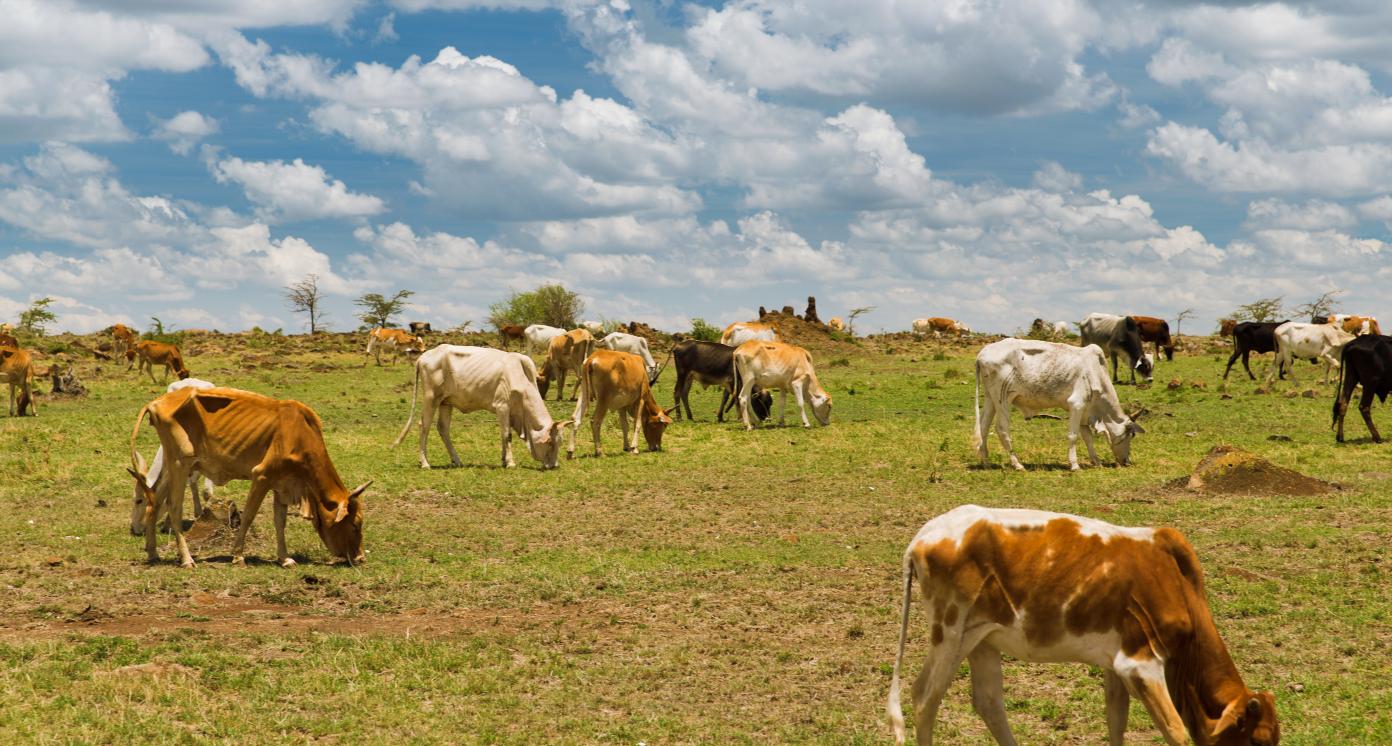
Dairy production, aggregation and processing
Dairy production, aggregation and processing
Type 3: Borderland with fragile context and underdeveloped regional integration infrastructure.
Business Model Description
Establish a network of milk collection and chilling centers across the borderland, linked to a central processing facility. Train farmers in improved dairy practices and hygiene. Process milk into pasteurized milk, yogurt, and potentially other value-added products. Target local markets, schools, institutions, and regional urban centers. Secure financing through a blend of impact investment, concessional loans for cooperatives/farmers, and development grants (for training and infrastructure).
How is this information gathered?
Cross-border investment opportunities with potential to contribute to sustainable development are based on Borderlands SDG Investor Maps.
Disclaimer
UNDP, the Private Finance for the SDGs, and their affiliates (collectively “UNDP”) do not seek or solicit investment for programmes, projects, or opportunities described on this site (collectively “Programmes”) or any other Programmes, and nothing on this page should constitute a solicitation for investment. The actors listed on this site are not partners of UNDP, and their inclusion should not be construed as an endorsement or recommendation by UNDP for any relationship or investment.
The descriptions on this page are provided for informational purposes only. Only companies and enterprises that appear under the case study tab have been validated and vetted through UNDP programmes such as the Growth Stage Impact Ventures (GSIV), Business Call to Action (BCtA), or through other UN agencies. Even then, under no circumstances should their appearance on this website be construed as an endorsement for any relationship or investment. UNDP assumes no liability for investment losses directly or indirectly resulting from recommendations made, implied, or inferred by its research. Likewise, UNDP assumes no claim to investment gains directly or indirectly resulting from trading profits, investment management, or advisory fees obtained by following investment recommendations made, implied, or inferred by its research.
Investment involves risk, and all investments should be made with the supervision of a professional investment manager or advisor. The materials on the website are not an offer to sell or a solicitation of an offer to buy any investment, security, or commodity, nor shall any security be offered or sold to any person, in any jurisdiction in which such offer would be unlawful under the securities laws of such jurisdiction.
Region
Sector Classification
Food and Beverage
Food and Agriculture
Borderland development need
Livestock is the main source of livelihood in the borderland, with over 5 million head of cattle, goats, sheep, and camels. However, drought, disease, and poor veterinary services lead to high mortality and low productivity. Most animals are sold live, with minimal local processing, limiting income and adding costs. Insecurity and weak infrastructure further disrupt markets. With 45% of the population facing acute food insecurity, improving livestock systems is critical to resilience and economic growth. (11, 20, 21, 22)
Borderland policy priority
Both CIDP and KIDP3 highlight livestock as a driver of resilience, food security, and economic growth. In West Pokot, the County plan focuses on breed improvement, feed reserves, and operationalizing processing facilities such as the Nasukuta abattoir to retain value locally. In Karamoja, the local government prioritises breeding, disease surveillance, and value addition in meat, milk, and hides. Both aim to improve market access, veterinary services, and cross-border trade, especially for youth and women in pastoral systems. (1, 2)
Gender inequalities and marginalization issues
Livestock production and processing offer key entry points for empowering women and marginalized groups, who often manage small ruminants and poultry. These activities generate income, support food security, and are more accessible to those with limited land or capital. Expanding value chains and services tailored to women and youth can drive inclusion and build resilience. (12, 13)
Investment opportunities introduction
The borderland offers high-return investment opportunities in livestock production and processing, from meat and dairy value chains to animal health and feed systems. With strong local demand, large herd sizes, and policy backing, investments in abattoirs, milk processing, vet services, and feed supply can unlock value, boost incomes, and strengthen regional trade. (1, 2)
Key bottlenecks introduction
Recurrent droughts and disease outbreaks weaken productivity, while limited access to quality feed and vet services constrains herd health. Insecurity (driven by cattle raiding, border tensions, and weak enforcement) disrupts markets and discourages investment. Poor infrastructure and low processing capacity further limit value addition. (1, 2, 9, 12)
Meat, Poultry and Dairy
Pipeline Opportunity
Dairy production, aggregation and processing
Establish a network of milk collection and chilling centers across the borderland, linked to a central processing facility. Train farmers in improved dairy practices and hygiene. Process milk into pasteurized milk, yogurt, and potentially other value-added products. Target local markets, schools, institutions, and regional urban centers. Secure financing through a blend of impact investment, concessional loans for cooperatives/farmers, and development grants (for training and infrastructure).
Business Case
Market Size and Environment
< USD 50 million
Lelan Cooperative alone collected 3.9M liters of milk in 2023, with Sioyi adding 306K liters. Other cooperatives and untapped potential in Karamoja suggest a local supply exceeding 5M liters/year. With improved cold chain and processing capacity, demand from urban markets, schools, and institutions can be unlocked, significantly increasing the market size. (27, 30)
Indicative Return
> 25%
Value-added dairy products like yogurt and UHT milk generate 30–50% profit margins. Using locally sourced milk lowers costs, and processing reduces post-harvest losses. With demand rising in urban and institutional markets, and examples like Lelan demonstrating strong profitability, an ROI of 25–35% is achievable within 3–5 years. (26, 27, 30)
Investment Timeframe
Short Term (0–5 years)
Revenue can start within the first year after equipment installation. Based on cooperative experiences, breakeven is typically reached by Year 2 or 3. Full ROI occurs by Year 5, especially when production is aligned with contracts from schools or hospitals, and supported by SACCO loans or development partner financing. (27, 30)
Ticket Size
USD 500,000 - USD 1 million
Market Risks and Scale Obstacles
Business - Supply Chain Constraints
Capital - CapEx Intensive
Market - Highly Regulated
Market - Volatile
Expected Financing Model
Blended financing (risk sharing and public support)
IOA Business Criteria
Strong demand for pasteurized milk and yogurt in urban centers; marketability is enhanced by school feeding programs and cooperative supply agreements. (27, 30, 31)
Targets dairy aggregation and processing via chilling hubs and value-added production linked to cooperatives. (27, 30, 31)
Models like Lelan Cooperative show scalable aggregation; demand exists across Karamoja and West Pokot with minimal infrastructure currently. (27, 30, 31)
Lelan and Sioyi Cooperatives demonstrate the viability of milk collection and local processing, with existing revenue from bulk sales and plans for expansion. (27, 30, 31)
Impact Case
Sustainable Development Need
Most milk in Karamoja is consumed informally or wasted due to lack of cold storage, limiting income and nutrition gains for pastoralist households. (24, 27, 31)
The borderland lacks milk processing facilities, constraining value addition, job creation, and rural economic diversification. (24, 27, 31)
Malnutrition remains high, especially among children, despite local milk availability, due to poor hygiene, limited access, and lack of fortified dairy products. (24, 27, 31)
Gender & Marginalisation
Cultural norms restrict women’s control over dairy income and livestock assets despite their central role in milking and processing. (6, 31)
Youth face high unemployment due to lack of access to training, capital, and opportunities in the formal dairy value chain. (24, 31)
Many pastoralist communities lack access to structured dairy markets, cold chains, and quality inputs, reinforcing their economic marginalization. (24, 31)
Expected Development Outcome
Improved dairy aggregation and processing will raise incomes for pastoralist and smallholder farmers by unlocking new, stable markets. (24, 27, 31)
Locally processed dairy products like milk and yogurt will improve year-round access to nutritious food for households. (24, 27, 31)
Dairy value chain investments will generate employment, especially for youth and women, and strengthen local cooperative systems. (24, 27, 31)
Cross-border dairy trade between Karamoja and West Pokot will foster peaceful economic cooperation and reduce tensions linked to livestock competition. (24, 27, 31)
Gender & Marginalisation
By formalizing roles in milk collection, processing, and sales, women will gain income and recognition in a traditionally male-dominated sector. (27)
The dairy value chain will create new jobs in aggregation, transport, and marketing, reducing marginalization and rural-urban migration among youth. (27)
Targeted support will increase participation of women and smallholders in dairy cooperatives, giving them access to credit, training, and markets. (23, 27)
Primary SDGs addressed
2.3.1 Volume of production per labour unit by classes of farming/pastoral/forestry enterprise size
N/A
N/A
5.a.1 (a) Proportion of total agricultural population with ownership or secure rights over agricultural land, by sex; and (b) share of women among owners or rights-bearers of agricultural land, by type of tenure
As of 2019, data for Uganda indicates that approximately 40% of the agricultural population had legally recognized documentation or the right to sell or bequeath their agricultural land. Within this group, over 50% of men possessed such rights, whereas less than 30% of women did. For Kenya, specific baseline values for SDG Indicator 5.a.1 are not readily available.
N/A
8.3.1 Proportion of informal employment in total employment, by sector and sex
In 2023, Kenya's informal sector employed approximately 16.7 million individuals, accounting for about 83.5% of the total employment. The informal sector in Uganda employs about 13.3 million people out of the 15.8 million working population, representing approximately 85% of total employment. (33, 34)
N/A
Secondary SDGs addressed
Directly impacted stakeholders
People
Gender inequality and/or marginalization
Planet
Corporates
Public sector
Indirectly impacted stakeholders
People
Gender inequality and/or marginalization
Planet
Corporates
Public sector
Outcome Risks
Increased dairy production may lead to overgrazing and land degradation if pasture management is not improved.
Without deliberate inclusion, women may be sidelined in higher-value processing and leadership roles in cooperatives.
Expanding milk sourcing may trigger disputes over grazing land and water resources, particularly in cross-border areas.
Sudden supply increases without coordinated demand development could depress prices and destabilize smallholder incomes.
Impact Risks
Droughts or erratic rainfall could reduce milk yields and disrupt the supply chain, undermining business viability and food security.
If women's access to training, assets, and markets is not addressed, benefits may bypass those most marginalized.
Poor disposal of dairy byproducts could cause pollution, affect water sources, and harm surrounding ecosystems.
IMP Impact Classification
What
Improved dairy aggregation and processing will boost rural incomes, reduce milk loss, enhance food security, and enable access to nutritious dairy products.
Who
Pastoralists, smallholder dairy farmers, cooperatives, women, and youth in Karamoja and West Pokot will benefit from stable markets and capacity building.
Risk
Climate shocks, low milk supply, limited infrastructure, and exclusion of marginalized groups may limit sustained impact and equitable benefits.
Enabling Environment
General Policy Environment
Karamoja Integrated Development Plan 3 (KIDP3): Prioritizes agro-industrialization in Karamoja, calling for improved dairy value chains, milk bulking, and rural processing to enhance livelihoods and food security. (1)
West Pokot County Integrated Development Plan (CIDP): Emphasizes support to dairy cooperatives, infrastructure for milk cooling and transport, and training for farmers to improve milk quality and link to processors. (2)
Uganda Dairy Master Plan (1993): Promotes increased milk production, processing, and consumption, with a focus on rural development, private sector investment, and smallholder inclusion. (33)
Agricultural Sector Transformation and Growth Strategy (ASTGS) 2019–2029: Targets increased incomes and competitiveness in Kenya’s dairy sector, through investments in aggregation, cold chain, and market access. (34)
General Cross-border Trade Policy and Regulatory environment
East African Standards (EAS) for Dairy Products: Harmonized regional standards under EAC for processed milk, yogurt, and cheese facilitate cross-border trade and regional market access. (39)
EAC Simplified Trade Regime (STR): Facilitates informal cross-border trade for small-scale traders by reducing tariffs and documentation, enabling easier movement of dairy products between Uganda and Kenya. (40)
EAC Sanitary and Phytosanitary (SPS) Protocol (2020): Harmonizes regional food safety and animal health standards, which is essential for cross-border dairy trade and mutual recognition of inspection systems. (41)
IGAD Protocol on Transhumance (2021): Supports regulated livestock mobility across borders, which is key to securing consistent dairy supply from pastoralist herds that graze between Uganda and Kenya. (42)
African Continental Free Trade Area (AfCFTA) Agreement: Aims to remove trade barriers and increase intra-African trade, opening potential regional markets for value-added dairy products from borderland areas. (43)
Capital structure and funding
Sources of Capital: Funding for dairy development in borderlands comes from a mix of national governments (e.g. county/district funds), foreign donors (e.g. EU, SNV, IFAD), and international impact investors targeting agricultural value chains. (27, 44)
Average Capital Size: Investment in existing dairy cooperatives like Lelan has ranged from $100,000–$500,000. New ventures integrating chilling, pasteurization, and packaging may require $250,000–$1.5 million depending on scale and technology. (27, 30)
Trends of Capital Flows: Flows are intermittent and grant-heavy, with development partners funding training and infrastructure (e.g. cooling tanks, milk collection centers), while private equity remains cautious due to market unpredictability. (44, 45, 46, 47)
Impact of Conflict on Capital Flows: Localized insecurity disrupts transport routes and investor confidence. Government-led conflict mitigation—like peace dialogues and security posts—can stabilize flows and safeguard supply chains across volatile border areas. (4, 27)
Development Partner Support: Donors support dairy through grants for training, extension, and equipment. IFAD, Heifer, and SNV have backed cooperatives with blended finance and technical aid, often linked to women's empowerment and nutrition. (44, 45, 46, 47)
Financial incentives
The Bank of Uganda's ACF offers concessional loans at 12% interest to agribusinesses, including dairy processors, to invest in machinery, cold storage, and value-addition infrastructure. (48)
Kenya’s Agricultural Finance Corporation (AFC) provides tailored loan products for dairy cooperatives and farmers, including input finance, equipment loans, and support for cooling infrastructure. (49)
IFAD-financed projects like the Smallholder Dairy Commercialization Programme support cooperatives with subsidized infrastructure, capacity building, and access to long-term concessional loans. (46)
Kenya’s VAT laws exempt farm inputs, including dairy equipment and cooling tanks, from taxation, reducing setup costs and improving the commercial viability of small-scale dairy enterprises. (51)
Security Environment
Cattle raiding and inter-clan conflict remain persistent, especially in parts of West Pokot, Turkana, and Karamoja. These undermine livestock supply chains and deter private investment in dairy aggregation and processing facilities. (4, 52, 63)
Cross-border insecurity and armed movements disrupt milk transport, particularly along trade corridors between Uganda and Kenya. This increases costs, limits access to urban markets, and affects reliability for processors. (4, 52, 63)
Weak presence of law enforcement in remote areas leaves cooperatives and milk collection points vulnerable to theft and extortion. Insecurity discourages expansion of cold chain infrastructure in high-risk zones. (4, 52, 63)
Retaliatory violence linked to resource-based conflict (e.g. grazing routes, water points) can affect dairy-producing communities, triggering displacement of pastoralists and reducing milk supply at critical times. (4, 52, 63)
Risk mitigation strategies
Establish inclusive cooperatives with transparent governance structures to minimize elite capture and ensure fair benefit distribution to marginalized producers, especially women and youth.
Promote land-use agreements and integrated water management plans through local peace committees and customary institutions to reduce conflict over grazing and water resources.
Bundle dairy infrastructure investments with security partnerships, such as local police posts or community watch groups, to safeguard chilling centers and transport routes.
Integrate gender-sensitive training and financing mechanisms that support women’s participation in dairy processing, marketing, and cooperative leadership.
Link peacebuilding and economic programming by engaging development partners and government to align conflict-sensitive investment planning with local mediation and reconciliation efforts.
Actors in IOA Space
References
Sector and Subsector Sources
- (1) Ministry for Karamoja Affairs & Office of the Prime Minister. (2021). The Third Karamoja Integrated Development Plan (KIDP 3) 2021–2025.
- (2) County Government of West Pokot. (2023). Third County Integrated Development Plan (CIDP) 2023–2027.
- (3) Catley, A., et al. (2021). Introducing pathways to resilience in the Karamoja Cluster. Pastoralism, 11(28). https://doi.org/10.1186/s13570-021-00214-4
- (4) UNDP Africa Borderlands Centre. (2022). The Karamoja Cluster: Rapid Conflict Analysis and Gender Assessment (Kenya and Uganda).
- (5) Kenya High Commission Kampala. (2025). Kenya-Uganda Trade & Investments. Accessed February 2025. https://www.kenyamissionkampala.ug/kenya-uganda-trade-investments
- (6) Columbia SIPA. (2020). Ethical Cross-Border Trading between Kenya and Uganda by Women-led Micro and Small Enterprises.
- (7) Aklilu, Y. (2017). Livestock Trade in Karamoja, Uganda: An Update of Market Dynamics and Trends. USAID. https://karamojaresilience.org/wp-content/uploads/2021/05/tufts_1803_krsu_livestock_trade_karamoja_v2_online.pdf
- (8) Arasio, R.L., and E. Stites. 2022. “The Return of Conflict in Karamoja, Uganda: Community Perspectives.” Karamoja Resilience Support Unit (KRSU), Feinstein International Center, Friedman School of Nutrition Science and Policy at Tufts University, Kamp
- (9) Interpeace, IGAD, & FAO. (2023). Conflict, Climate Change, Food Security and Mobility in the Karamoja Cluster. https://www.interpeace.org/wp-content/uploads/2024/01/Conflict-climate-change-food-security-and-mobility-in-the-Karamoja-Cluster.pdf
- (10) Armed Conflict Location & Event Data Project (ACLED). (2025). Regional Overview – Africa, February 2025. https://acleddata.com/2025/02/10/africa-overview-february-2025
- (11) Republic of Uganda. (2009). The National Livestock Census Report 2008. Ministry of Agriculture, Animal Industry & Fisheries.
- (12) Behnke, R.H. and Arasio, R.L., 2019. The Productivity and Economic Value of Livestock in Karamoja Sub-region, Uganda. Karamoja Resilience Support Unit, USAID/Uganda, UK aid, and Irish Aid, Kampala.
- (13) Auma, S., & Badr, N. (2022). Assessment of the Impacts of Climate Change on Livestock Water Sources and Livestock Production: Case Study, Karamoja Region of Uganda. World Water Policy.
- (14) Republic of Kenya. (n.d.). Agricultural Sector Transformation and Growth Strategy (2019-2029). https://asdsp.kilimo.go.ke/wp-content/uploads/2023/10/ASTGS-Full-Version-1.pdf
- (15) Republic of Uganda. (2013). National Agriculture Policy. https://www.agriculture.go.ug/wp-content/uploads/2019/04/National-Agriculture-Policy.pdf
- (16) Coffey International. (2016). Support for Strategic Review and Planning to Strengthen DFID’s Work on Gender Equality and Women and Girls Empowerment in Karamoja Region, Uganda.
- (17) Czuba, K. (2012). Income Generating Activities and Savings Behaviour of Adolescent Girls and Young Women in Karamoja.
- (18) IMARA Program. (2022). Value Chain Mapping and Analysis: Integrated Management of Natural Resources for Resilience in the ASAL.
- (19) Karamoja Resilience Support Unit (2022). Karamoja Donor Mapping Report—2022. Karamoja Resilience Support Unit II, United States Agency for International Development (USAID)/Uganda, Kampala.
- (20) Integrated Food Security Phase Classification (IPC). (2023). Karamoja Region IPC Analysis.
- (21) Asiimwe, R., Opolot, G., Ekou, J., & Sserunkuma, D. (2020). The role of camel production on household resilience to droughts in pastoral and agro-pastoral households in Uganda. Pastoralism, 10(6). https://doi.org/10.1186/s13570-020-0160-x
- (22) Kemboi, M. K., Kiptum, K. V., & Rop, N. (2021). A case study to establish the economic viability of local chicken rearing and processing in West Pokot County, Kenya.
IOA Sources
- (23) Interview with public district officers in Moroto and West Pokot
- (24) Interview with the Moroto livestock market committee
- (25) Interview with the Moroto Livestock Traders and Butchery Association
- (26) Interviews with private financial institutions in West Pokot and Karamoja
- (27) Interviews with milk cooperatives in West Pokot
- (28) Paul Mueller Company. (n.d.). Making an Impact with Milk in Africa. Retrieved from: https://www.paulmueller.com/case-studies/dairy-farm/making-an-impact-with-milk-in-africa
- (29) Heifer International. (n.d.). Our Work in Kenya. Retrieved from: https://www.heifer.org/our-work/where-we-work/kenya.html
- (30) Estimations based on interview data with district officials, livestock market associations, livestock census data, and regional studies.
- (31) IGAD. (2017). Stocktaking Study of Complementary Livelihoods Market and Value Chain Analysis for Identified Priority Products in IGAD Region Cross Border Areas. Regional Pastoral Livelihoods Resilience Project.
- (32) United Nations Statistics Division (UNSD). (2022). The Sustainable Development Goals Report 2022 – Extended Report. New York: United Nations. Retrieved from: https://unstats.un.org/sdgs/report/2022/extended-report/Extended-Report_Goal-5.pdf
- (33) Government of Uganda. (1993). The Dairy Master Plan. Kampala: Ministry of Agriculture, Animal Industry and Fisheries.
- (34) Government of Kenya. (2019). Agricultural Sector Transformation and Growth Strategy (ASTGS) 2019–2029. Nairobi: Ministry of Agriculture, Livestock, Fisheries and Cooperatives.
- (35) Kenya Dairy Board. Kenya Dairy Industry Regulations. Nairobi: Government of Kenya.
- (36) Government of Uganda. (1998). Dairy Industry Act. Kampala: Uganda Dairy Development Authority.
- (37) Government of Kenya. (2012). Public Health Act (Revised). Nairobi: Government Printer.
- (38) Uganda National Bureau of Standards (UNBS). (n.d.). Dairy Guidelines. Kampala: UNBS.
- (39) East African Community (EAC). (n.d.). East African Standards (EAS) for Dairy Products. Arusha: EAC Secretariat.
- (40) East African Community (EAC). (n.d.). Simplified Trade Regime (STR). Arusha: EAC Secretariat.
- (41) East African Community (EAC). (2020). Sanitary and Phytosanitary (SPS) Protocol. Arusha: EAC Secretariat.
- (42) IGAD. (2021). Protocol on Transhumance. Djibouti: IGAD Secretariat.
- (43) African Union. (2021). African Continental Free Trade Area (AfCFTA) Agreement. Addis Ababa: African Union Commission.
- (44) FAO. (2022). Uganda’s Dairy Sector Attracts Sustainable Private Investments Through AgrInvest. Rome: Food and Agriculture Organization of the United Nations. Retrieved from: https://www.fao.org/support-to-investment/news/detail/en/c/1505303/
- (45) SNV Netherlands Development Organisation. (2022). TIDE Closeout Magazine: Inclusive Dairy Enterprise in Southwestern Uganda. SNV Uganda. Retrieved from: https://a.storyblok.com/f/191310/x/1dabd4df69/tide-closeout-magazine.pdf
- (46) International Fund for Agricultural Development (IFAD). (2019). Kenya – Smallholder Dairy Commercialization Programme: Impact Assessment Report. Rome: IFAD. Retrieved from: https://www.ifad.org/documents/d/new-ifad.org/ke_scdp_ia-report-pdf
- (47) Nile Post. (2023). Heifer International Supports Uganda’s Dairy Industry with Alternative Power. Kampala: Nile Post. Retrieved from: https://nilepost.co.ug/uncategorized/195429/heifer-international-supports-uganda-s-dairy-industry-with-alternative-power
- (48) Bank of Uganda. (2023). Agricultural Credit Facility (ACF). Kampala: Bank of Uganda. Retrieved from: https://www.newvision.co.ug/category/agriculture/agricultural-credit-facility-available-to-boo-NV_205026
- (49) Agricultural Finance Corporation (AFC). (n.d.). Loan Products. Nairobi: Government of Kenya. Retrieved from: https://agrifinance.org
- (50) Interview with the Chamber of Commerce in West Pokot.
- (51) Netherlands Enterprise Agency (RVO). (2021). VAT and Agriculture in Kenya: Recent Law Changes. The Hague: Government of the Netherlands. Retrieved from: https://www.agroberichtenbuitenland.nl/landeninformatie/kenia/achtergrond/latest-developments/vat-and-agriculture-in-kenya-recent-law-changes
- (52) Gray, S., Sundal, M., Wiebusch, B., Little, M.A., Leslie, P.W., & Pike, I.L. (2003). Cattle Raiding, Cultural Survival, and Adaptability of East African Pastoralists. Current Anthropology, 44(S5): S3–S30. https://www.journals.uchicago.edu/doi/full/10.1086/377669
- (53) Stites, E. (2022). Conflict in Karamoja: A Synthesis of Historical and Current Perspectives, 1920–2022. Karamoja Resilience Support Unit (KRSU), Feinstein International Center, Tufts University.
- (54) USAID. (2023). Applied Political Economy Analysis for the Karamoja Cluster. Washington, D.C.: United States Agency for International Development.
- (55) Interview with cross-border trade associations.
- (56) International Livestock Research Institute (ILRI). (n.d.). East Africa Dairy Development (EADD) Project. Retrieved from: https://www.ilri.org/research/projects/east-africa-dairy-development-eadd-project
- (57) U.S. Chamber of Commerce Foundation. (n.d.). Dairy Nourishes Africa (DNA): Empowerment through Partnership. Retrieved from: https://www.uschamberfoundation.org/corporate-social-responsibility/dairy-nourishes-africa-dna-empowerment-through-partnership