





Sustainable Gastronomic Tourism for Rural Development
Sustainable Gastronomic Tourism for Rural Development
Business Model Description
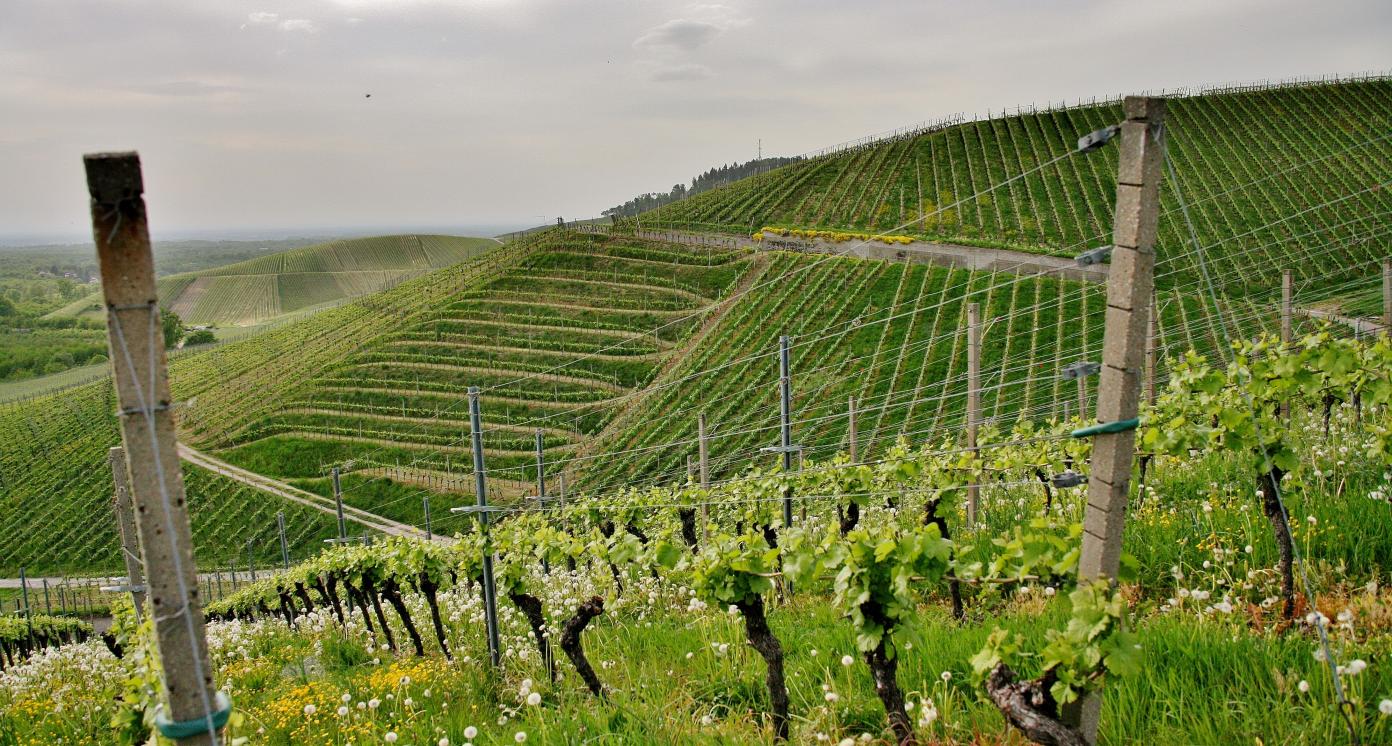
Invest in local agricultural tourism offers such as eco-villages, wine-specialised tourism destinations, and traditional-style guesthouses in rural or natural heritage areas, which provide accommodation, farm-to-table dining from local cuisine, wine tours, and curated cultural experiences. Embed sustainability and circular economy practices through renewable energy, local sourcing and employment, and waste minimisation to create rural jobs, preserve cultural heritage, and support green economic development.
Expected Impact
Gastronomic tourism fosters inclusive rural development by transforming local food culture into economic opportunity for women, youth, and small producers.
How is this information gathered?
Investment opportunities with potential to contribute to sustainable development are based on country-level SDG Investor Maps.
Disclaimer
UNDP, the Private Finance for the SDGs, and their affiliates (collectively “UNDP”) do not seek or solicit investment for programmes, projects, or opportunities described on this site (collectively “Programmes”) or any other Programmes, and nothing on this page should constitute a solicitation for investment. The actors listed on this site are not partners of UNDP, and their inclusion should not be construed as an endorsement or recommendation by UNDP for any relationship or investment.
The descriptions on this page are provided for informational purposes only. Only companies and enterprises that appear under the case study tab have been validated and vetted through UNDP programmes such as the Growth Stage Impact Ventures (GSIV), Business Call to Action (BCtA), or through other UN agencies. Even then, under no circumstances should their appearance on this website be construed as an endorsement for any relationship or investment. UNDP assumes no liability for investment losses directly or indirectly resulting from recommendations made, implied, or inferred by its research. Likewise, UNDP assumes no claim to investment gains directly or indirectly resulting from trading profits, investment management, or advisory fees obtained by following investment recommendations made, implied, or inferred by its research.
Investment involves risk, and all investments should be made with the supervision of a professional investment manager or advisor. The materials on the website are not an offer to sell or a solicitation of an offer to buy any investment, security, or commodity, nor shall any security be offered or sold to any person, in any jurisdiction in which such offer would be unlawful under the securities laws of such jurisdiction.
Country & Regions
- Republic of Moldova: Southern Development Region
Sector Classification
Services
Development need
Tourism accounts for only 3.3% of GDP, below regional peers, limiting rural job creation and cultural heritage promotion. Wine tourism can revitalize rural economies, while medical tourism can boost service exports. Both face underinvestment, weak infrastructure, and risk of inequality in access and benefits. (1,8)
Policy priority
The National Program “Turism-2028” (2024–2028) aims to make tourism a competitive, sustainable growth sector. Priorities include strengthening the new National Tourism Office, upgrading deficient infrastructure, and diversifying offers (wine, gastronomic, rural, medical). Targets align with SND 2030 and EU Association goals. (2)
Gender inequalities and marginalization issues
Women and small producers in vineyards and gastronomy face barriers to finance, training, and visibility. Tourism initiatives can expand opportunities if women, youth, and rural households are integrated. In medical tourism, equity safeguards are needed to prevent exclusion of low-income patients. (10)
Investment opportunities introduction
“Turism-2028” identifies tourism as a growth engine through diversified offers. Opportunities lie in developing wine and gastronomic routes, cultural and rural experiences, and wellness/medical tourism. Combining Moldova’s vineyards, cultural heritage, and competitive health services can position the country as a regional niche destination. (2)
Key bottlenecks introduction
Systemic barriers such as outdated transport and hospitality infrastructure, weak international branding, fragmented coordination, and lack of global certifications. In medical tourism, limited accredited clinics and regulatory gaps constrain competitiveness. (9)
Hospitality and Recreation
Development need
Tourism remains underdeveloped in Moldova. 67,631 inbound tourists via agencies in 2024, revealing growth but modest scale. Wine tourism can revitalize rural economies through Moldova’s 115k ha vineyards. (3,4,5)
Policy priority
Wine is a national priority within rural value-chain upgrading. Policy frameworks back vineyard regions (PGI) and tourism branding via the National Office of Vine & Wine; rural strategies prioritize agri-food/value-added tourism to drive local incomes. (6)
Gender inequalities and marginalization issues
Women are under-represented among business owners, and rural women face finance/market-access gaps, limiting participation in wine/gastro tourism value chains such as hospitality, crafts, direct sales. (7)
Investment opportunities introduction
Leverage 115k ha of vineyards to expand PGI-based wine routes, cellar-door/tasting centers, rural stays, and festival packages (e.g., National Wine Day). Strengthen international positioning and product tiers; partner with ONVV for branding and route development. (3)
Key bottlenecks introduction
Gaps include uneven visitor infrastructure beyond flagship sites, weak international branding/market access for SMEs, and limited mid-price positioning in export markets affecting experience quality and spend per visitor. (6)
Hotels and Lodging
Pipeline Opportunity
Sustainable Gastronomic Tourism for Rural Development
Invest in local agricultural tourism offers such as eco-villages, wine-specialised tourism destinations, and traditional-style guesthouses in rural or natural heritage areas, which provide accommodation, farm-to-table dining from local cuisine, wine tours, and curated cultural experiences. Embed sustainability and circular economy practices through renewable energy, local sourcing and employment, and waste minimisation to create rural jobs, preserve cultural heritage, and support green economic development.
Business Case
Market Size and Environment
USD 100 million - USD 1 billion
In 2024, about 474,200 tourists stayed in accommodation establishments. (23)
For the 1st half of 2025 there has been 222.3K visitors in the country. 128,000 were foreign. Moldova’s international tourism receipts are shown at $740M Based on the latest data in 2024. (19,20,21)
In 2024, about 474,200 tourists stayed in accommodation establishments.According to World Food Travel Association, an average traveler spends around 25% of their budget on food and beverages which would make the value of the Gastronomic Tourism in the country at about $180M. (19,20,21,23)
Indicative Return
5% - 10%
National Bureau of Statistics gathers information on revenue and profit margins, on certain industries including restaurant and gastronomic establishments. The weighted average of profit margin on these establishments is at 7.6% (22)
Investment Timeframe
Medium Term (5–10 years)
Regional benchmarks indicate that premium aparthotels and villa-style properties often have payback periods of 8–12 years, varying by region and project quality. (24)
Ticket Size
< USD 500,000
Market Risks & Scale Obstacles
Business - Supply Chain Constraints
Market - Highly Regulated
Capital - Limited Investor Interest
Impact Case
Sustainable Development Need
Moldova’s rural areas face limited economic diversification and youth outmigration. Gastronomic tourism can boost local employment and preserve cultural heritage, yet remains underdeveloped and under-financed. (25)
Infrastructure gaps, fragmented branding, and low international visibility limit rural tourism development potential, despite Moldova's rich culinary and wine traditions. (26)
Gender & Marginalisation
Rural women face barriers in accessing tourism finance, land ownership, and business networks. Gender wage gaps and limited participation in leadership positions remain significant.
Expected Development Outcome
Sustainable wine and food tourism will enhance rural job creation, diversify local economies, and valorise traditional agri-food value chains through visitor spending.
Strengthened market linkages and regional branding will improve visibility of Moldovan rural tourism assets in international niche markets.
Gender & Marginalisation
Women's participation in tourism entrepreneurship, hospitality, and agri-processing is expected to increase through targeted training and local value chain inclusion.
Primary SDGs addressed
8.9.1 Tourism direct GDP as a proportion of total GDP and in growth rate
The tourism sector’s direct contribution to Moldova’s GDP in is 3.3%. (18)
Moldova’s Turism 2028 program aims to raise tourism’s total contribution to GDP to 6.3% by 2028.(18)
5.5.2 Proportion of women in managerial positions
Rural female entrepreneurs represent 33.9% of business owners in agribusiness and tourism sectors. (11)
Secondary SDGs addressed
Directly impacted stakeholders
People
Gender inequality and/or marginalization
Planet
Corporates
Public sector
Indirectly impacted stakeholders
People
Gender inequality and/or marginalization
Planet
Corporates
Public sector
Outcome Risks
Gastronomic tourism can inflate land prices and rent in rural areas, pushing out small farmers or local residents.
Increased tourism-related infrastructure (roads, restaurants, accommodation) may harm landscapes and ecosystems (e.g. vineyards, forests, water resources).
Tourism demand is highly seasonal and vulnerable to global shocks (e.g. pandemics, war, inflation), making income streams unstable.
Gender inequality and/or marginalization risk: Women often fill low-paid, informal roles in rural tourism (e.g. cooking, hospitality) without social protection or leadership opportunities.
Impact Risks
External factors like climate events, pandemics, or regional instability reduce tourism inflows.
Lack of high-quality data to confirm whether desired rural development or gender outcomes are materializing.
Impact assessments may focus on economic outputs (e.g. number of tourists) while neglecting core goals like equity, sustainability, or resilience.
Gender inequality and/or marginalization risk: Local communities or women-led food producers may be excluded from design or benefit-sharing.
Impact Classification
What
The outcome is increased rural income and cultural preservation through gastronomic tourism.
Who
The key beneficiaries are rural women, youth, and small-scale producers—often underserved in Moldova’s economy.
Risk
Risks include tourism seasonality, rural outmigration, exclusion of smallholders from tourism value chains and climate variability.
Contribution
Contribution is high as current public/private investment in rural gastronomic tourism is low, and intervention creates new economic pathways.
How Much
Expected contribution to GDP may increase to 6.3% by 2028 if proposed programs succeed
Impact Thesis
Gastronomic tourism fosters inclusive rural development by transforming local food culture into economic opportunity for women, youth, and small producers.
Enabling Environment
Policy Environment
The National Tourism Development Program 2023–2028 prioritizes rural and wine tourism as strategic segments, aligned with Moldova’s Economic Development Strategy and SDG-aligned territorial development plans. (28)
Moldova Growth Plan aims at supporting Moldova's socio-economic and fundamental reforms building on key economic growth drivers: economic competitiveness; economic resilience, including infrastructure and energy; economic governance; social capital; and the green transition. (27)
Financial Environment
Financial incentives: Law amendments (Official Gazette) in July 2025 allow employees to benefit from holiday vouchers covering expenses in tourist reception facilities in rural areas. (29)
Fiscal incentives: The VAT rate for accommodation, food and beverages (excluding alcohol), and other hospitality services has been reduced from 12% to 8% for many tourism-related businesses. (30)
Regulatory Environment
The Law on Tourism No. 352/2006 defines tourism service providers, classifications, and licensing. Food safety and labeling are governed by Law No. 306/2018 on agri-food production, crucial for culinary tourism actors. (31,32)
Marketplace Participants
Government
Ministry of Culture, Ministry of Agriculture and Food Industry, National Office of Vine and Wine, National Food Safety Agency, Regional Development Agencies, Local Public Authorities, Investment Agency of Moldova, Organization for Entrepreneurship Development
Target Locations

Republic of Moldova: Southern Development Region
References
- (1) World Travel &Tourism Council (WTTC). 2025. Moldova Travel & Tourism Economic Impact Research. https://researchhub.wttc.org/product/moldova-economic-impact-report
- (2) Ministry of Culture of the Republic of Moldova. 2023. Conceptul Programului național de dezvoltare a turismului “Turism-2028” (2024–2028). https://particip.gov.md/index.php/ru/download_attachment/26585
- (3) OIV. 2025. State of the World Vine & Wine Sector in 2024. https://www.oiv.int/sites/default/files/2025-04/OIV-State_of_the_World_Vine-and-Wine-Sector-in-2024.pdf
- (4) EU Tourism Platform. 2025. Foreign visitor arrivals to Moldova by country of origin. https://transition-pathways.europa.eu/tourism/data/foreign-visitor-arrivals-moldova-country-origin
- (5) National Bureau of Statistics of the Republic of Moldova. 2025. Tourism activities of travel agencies and tour operators in year 2024. https://statistica.gov.md/en/tourism-activities-of-travel-agencies-and-tour-operators-in-year-9491_61657.html
- (6) IFAD. 2024. Republic of Moldova Country Strategic Opportunities Programme 2025-2030. https://webapps.ifad.org/members/executive-board-online-review/docs/english/EB-2024-OR-22.pdf
- (7) UN Women Moldova. 2023. Supporting women’s entrepreneurship: an accelerant for economic development. https://moldova.unwomen.org/en/stories/press-release/2023/06/supporting-womens-entrepreneurship-an-accelerant-for-economic-development
- (8) ALDA. 2024. Tourism Perspectives in the Republic of Moldova: Analysing State Budget Allocations for Sector Development. https://www.alda-europe.eu/tourism-development-moldova-budget-allocations/#:~:text=Globally%2C%20tourism%20contributes%20up%20to,currently%20accounts%20for%20only%203.3%25.
- (9) Invest Moldova, World Bank Group & Solimar International. 2021. Tourism Market Segmentation and Marketing Journey Profiling under the Second Competitiveness Enhancement Project (CEP II) Final Report. https://invest.gov.md/wp-content/uploads/2024/06/0Final%20Report_Nov21.pdf
- (10) World Bank Group (2017). Women and Tourism: Designing for Inclusion. https://documents1.worldbank.org/curated/en/401321508245393514/pdf/120477-WP-PUBLIC-Weds-oct-18-9am-ADD-SERIES-36p-IFCWomenandTourismfinal.pdf
- (11) UN Women Moldova. 2023. Supporting women’s entrepreneurship: an accelerant for economic development. https://moldova.unwomen.org/en/stories/press-release/2023/06/supporting-womens-entrepreneurship-an-accelerant-for-economic-development
- (12) World Bank. 2021. Moldova Policy Notes: Sectoral Recommendations. https://documents1.worldbank.org/curated/en/829671642004890645/pdf/Moldova-Policy-Notes-2021-Sectoral-Recommendations.pdf
- (13) European Commission. 2023. Commission Staff Working Document: Republic of Moldova 2023 Report. https://enlargement.ec.europa.eu/system/files/2023-11/SWD_2023_698%20Moldova%20report.pdf
- (14) Invest in Moldova. Foreign Direct Investments 2022. https://invest.gov.md/wp-content/uploads/2024/07/Foreign-Direct-Investment.pdf
- (15) EBRD. 2025. EBRD, EU and partner bank maib support expansion of Moldovan wine tourism complex. https://www.ebrd.com/home/news-and-events/news/2025/ebrd--eu-and-partner-bank-maib-support-expansion-of-moldovan-win.html#
- (16) Wine of Moldova. 2025. https://rvv.gov.md/homepage.jsf
- (17) Moldpres. 2024. Moldova ranks second in the world among most appreciated destinations of wine tourism, outstripping Italy, Spain, France. https://www.moldpres.md/eng/economy/moldova-ranks-second-in-the-world-among-most-appreciated-destinations-of-wine-tourism-outstripping-italy-spain-france-
- (18) ALDA. 2024. Tourism Perspectives in the Republic of Moldova: Analysing State Budget Allocations for Sector Development. https://www.alda-europe.eu/tourism-development-moldova-budget-allocations/#:~:text=Globally%2C%20tourism%20contributes%20up%20to,currently%20accounts%20for%20only%203.3%25.
- (19) WorldData. 2025. Moldova Country Profile. https://www.worlddata.info/europe/moldova/index.php
- (20) M1 Moldova. 2025. Moldova tourism hits record high. https://moldova1.md/p/55461/moldova-tourism-hits-record-high
- (21) World Food Travel Association. 2020. The Economic Impact of Food Tourism. https://www.worldfoodtravel.org/news-the-economic-impact-of-food-tourism
- (22) National Bureau of Statistics of the Republic of Moldova. 2025. Activity and financial position of economic agents by size and economic activities, 2015-2021. https://statbank.statistica.md/PxWeb/pxweb/ro/40Statistica economica/40 Statistica economica__24 ANT__ANT030/ANT030060.px/table/tableViewLayout2/
- (23) National Bureau of Statistics of the Republic of Moldova. 2025. Tourism. https://statistica.gov.md/en/statistic_indicator_details/11
- (24) Ribas Hotels. 2024. Investor's Guide: How a Hotel Operator Calculates the Payback of Income-Producing Projects. https://ribashotelsgroup.ua/en/blog/dovidnik-investora-yak-gotelyniy-operator-rozrahovue-okupnisty-pributkovih-proyektiv/
- (25) AGRUMIG. 2023. Outmigration and labor mobility issues in Moldova. https://agrumig.iwmi.org/wp-content/uploads/sites/41/2023/09/AGRUMIG-Policy-Brief-Series-No.-19.pdf
- (26) BlackSea CBC. 2021. Study on the current situation of traditional products in Republic of Moldova. https://blacksea-cbc.net/wp-content/uploads/2021/07/BSB1101_LOC-FOOD_Studies-on-the-current-situation-of-traditional-products-designation-market-potential-in-Republic-of-Moldova_EN.pdf
- (27) European Commission. 2024. Commission adopts €1.8 billion support package to underpin Moldova's economic growth plan on its path to the EU. https://ec.europa.eu/commission/presscorner/detail/it/ip_24_5124
- (28) Particip. 2023. Announcement of the initiation of the process of developing the Concept of the National Tourism Development Program "Tourism-2028" for the years 2024-2028. https://particip.gov.md/ro/document/stages/anunt-de-initiere-a-procesului-de-elaborare-a-conceptului-programului-national-de-dezvoltare-a-turismului-turism-2028-pentru-anii-2024-2028/11689
- (29) Moldpres. 2025. Employees to be able to enjoy holiday vouchers; legislative changes published in Official Journal of Moldova. https://www.moldpres.md/eng/society/doc-employees-to-be-able-to-enjoy-holiday-vouchers-legislative-changes-published-in-the-official-gazette
- (30) M1 Moldova. 2023. Moldova slashes HORECA VAT: 8% boost for tourism. https://moldova1.md/p/22364/moldova-slashes-horeca-vat-8-boost-for-tourism
- (31) Government of the Republic of Moldova (2006). Law No. 352 of 24 November 2006 on the Organization and Conduct of Tourism Activities. https://turism.gov.md/en/legislatie/lege-nr-352-din-24-11-2006-cu-privire-la-organizarea-si-desfasurarea-activitatii-turistice-in-republica-moldova/
- (32) Government of the Republic of Moldova (2018). Law No. 306 of 30 November 2018 on Food Safety.https://www.fao.org/faolex/results/details/en/c/LEX-FAOC205186