











Generic Pharmaceuticals Manufacturing
Generic Pharmaceuticals Manufacturing
Business Model Description
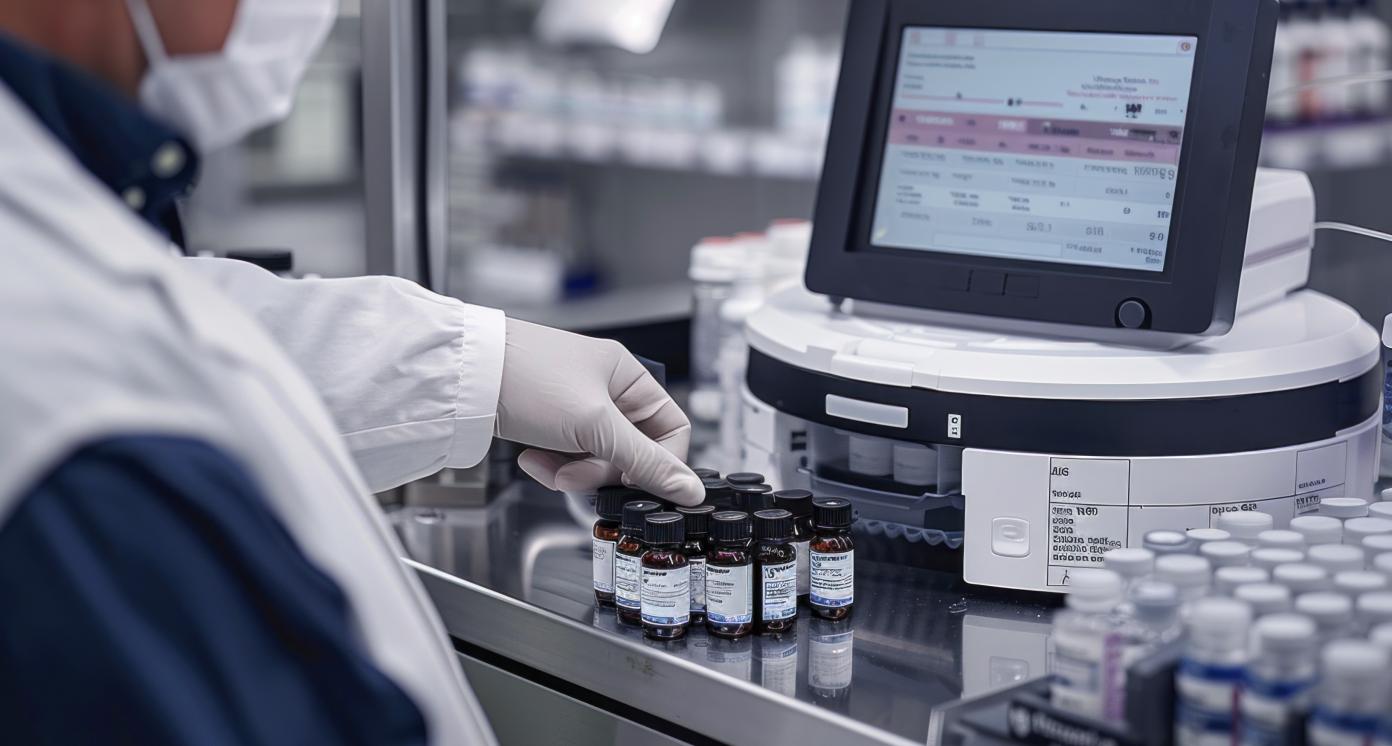
Establish or invest in production plants that manufacture generic pharmaceuticals in solid, semi-solid, and liquid dosage forms, strengthening the country’s pharmaceutical independence while supplying export markets across the region and beyond.
Expected Impact
Generic pharma manufacturing reduces import dependence, improves drug affordability, and strengthens equitable health access.
How is this information gathered?
Investment opportunities with potential to contribute to sustainable development are based on country-level SDG Investor Maps.
Disclaimer
UNDP, the Private Finance for the SDGs, and their affiliates (collectively “UNDP”) do not seek or solicit investment for programmes, projects, or opportunities described on this site (collectively “Programmes”) or any other Programmes, and nothing on this page should constitute a solicitation for investment. The actors listed on this site are not partners of UNDP, and their inclusion should not be construed as an endorsement or recommendation by UNDP for any relationship or investment.
The descriptions on this page are provided for informational purposes only. Only companies and enterprises that appear under the case study tab have been validated and vetted through UNDP programmes such as the Growth Stage Impact Ventures (GSIV), Business Call to Action (BCtA), or through other UN agencies. Even then, under no circumstances should their appearance on this website be construed as an endorsement for any relationship or investment. UNDP assumes no liability for investment losses directly or indirectly resulting from recommendations made, implied, or inferred by its research. Likewise, UNDP assumes no claim to investment gains directly or indirectly resulting from trading profits, investment management, or advisory fees obtained by following investment recommendations made, implied, or inferred by its research.
Investment involves risk, and all investments should be made with the supervision of a professional investment manager or advisor. The materials on the website are not an offer to sell or a solicitation of an offer to buy any investment, security, or commodity, nor shall any security be offered or sold to any person, in any jurisdiction in which such offer would be unlawful under the securities laws of such jurisdiction.
Country & Regions
- Republic of Moldova: Central Development Region
Sector Classification
Health Care
Development need
Moldova spends 6.9 % of GDP on health, yet out-of-pocket payments remain high. Rural areas face doctor shortages, weak infrastructure, and limited access to essential medicines. Rising NCDs and aging population increase demand for resilient healthcare systems. (1,2)
Policy priority
Healthcare is a central pillar in Moldova’s National Development Strategy “European Moldova 2030” and Health System Strategy 2023–2030, prioritizing universal health coverage, digitalization of health records, improved rural services, and EU alignment in pharma/quality standards. (3,4)
Gender inequalities and marginalization issues
Women face higher out-of-pocket burdens and reduced access to specialized care. Roma communities and low-income groups report limited insurance coverage and discrimination. (6)
Investment opportunities introduction
Private investment opportunities in Moldova’s health sector include expanding local generic pharmaceutical production to reduce import dependence and improve affordability. Public-private partnerships (PPPs) and financing instruments such as blended capital to support SME clinics and pharmacies can help fill critical service gaps. (5)
Key bottlenecks introduction
Barriers include limited fiscal space for health, fragmented governance, weak procurement transparency, high informal payments, and brain drain of medical staff. Rural infrastructure and outdated equipment hinder scaling of health innovations. (8)
Biotechnology and Pharmaceuticals
Development need
Moldova faces challenges in ensuring affordable and reliable access to medicines. 90.4% of pharmaceutical products and raw materials are imported, making the health system highly vulnerable to external price shocks, supply chain disruptions, and currency fluctuations.(5)
Policy priority
The National Health Strategy “Health 2030” prioritizes expanding access to essential medicines and aligning pharma standards with EU acquis. The National Development Strategy “European Moldova 2030” highlights pharma sector modernization as a pathway to competitiveness and EU integration. (3,4)
Gender inequalities and marginalization issues
Women, particularly in rural areas, face disproportionate barriers to accessing affordable medicines due to lower income and employment insecurity. (7)
Investment opportunities introduction
Locally produced only 9,6%. Opportunity to cover the other 90,4% of imported products.Potential for growing to 400mln USD (by 2028). (5)
Key bottlenecks introduction
Moldova’s generic pharma faces barriers: 90% import dependence, weak procurement, limited fiscal space, outdated facilities, skills gaps, and brain drain. Meeting EU GMP standards requires costly upgrades. (8)
Biotechnology and Pharmaceuticals
Pipeline Opportunity
Generic Pharmaceuticals Manufacturing
Establish or invest in production plants that manufacture generic pharmaceuticals in solid, semi-solid, and liquid dosage forms, strengthening the country’s pharmaceutical independence while supplying export markets across the region and beyond.
Business Case
Market Size and Environment
USD 100 million - USD 1 billion
320,5 mln Pharmaceutical Market in the Republic of Moldova (2023). Potential for growing to 400mln USD (by 2028) (11)
Indicative Return
10% - 15%
Generic drug manufacturers typically operate with net profit margins in the range of 5-15%, due to high competition and price erosion. (15)
Investment Timeframe
Medium Term (5–10 years)
Significant upfront CAPEX for GMP-compliant facilities, regulatory approvals, and product registrations. Payback generally takes several years once production scales and market access stabilizes.(17)
Ticket Size
USD 1 million - USD 10 million
Market Risks & Scale Obstacles
Capital - CapEx Intensive
Market - Highly Regulated
Impact Case
Sustainable Development Need
Moldova relies on imports for pharmaceutical consumption. This creates vulnerability to supply shocks, high costs, and limited affordability for low-income groups. Domestic generic production would reduce import dependence, improve medicine access, and support health system resilience.
NCDs account for about 89% of all deaths in Moldova, indicating a heavy reliance on chronic disease management. (16)
High out-of-pocket spending on medicines limits access for low-income households, especially in rural areas. (16)
Gender & Marginalisation
Women, elderly, and rural populations face affordability and availability gaps in essential medicines. Imported drugs increase inequality, as urban centers have better supply.
Expected Development Outcome
Establishing generic manufacturing enhances pharmaceutical independence, reduces import reliance, improves affordability of essential medicines, and creates skilled jobs, strengthening Moldova’s integration into regional pharma supply chains.
Expanded local generic pharmaceutical manufacturing increases the availability of affordable, high-quality medicines for chronic disease management.
Scaling up local generic production reduces medicine costs, improves affordability for low-income and rural households, and advances equitable healthcare access in Moldova.
Gender & Marginalisation
Improved access to affordable generics will reduce health inequities, particularly benefiting women (primary caregivers), elderly patients with chronic diseases, and rural underserved communities, narrowing healthcare access gaps.
Primary SDGs addressed
3.b.3 Proportion of health facilities that have a core set of relevant essential medicines available and affordable on a sustainable basis
Secondary SDGs addressed
Directly impacted stakeholders
People
Corporates
Public sector
Indirectly impacted stakeholders
Planet
Corporates
Public sector
Outcome Risks
Rural health facilities may still face supply gaps despite increased production.
Reliance on a few producers could reduce competition and keep prices high.
Improper waste and emissions management could harm ecosystems.
Export orientation could divert supply away from domestic patients in need.
Gender inequality and/or marginalization risk: Production costs may keep generics above low-income patients’ ability to pay.
Impact Risks
Limited Moldova-specific data on affordability and availability impacts of generics.
Plants may not achieve GMP/EMA certification, delaying market access.
Trade barriers or geopolitical shocks could hinder regional exports.
Investment may fail if policy or subsidies for domestic producers are withdrawn.
Gender inequality and/or marginalization risk: Patients and marginalized groups may not be included in pricing/access models.
Impact Classification
What
Generic production improves availability of affordable medicines, reducing import dependence
Who
Patients, especially low-income, rural, women, and elderly groups underserved in current pharma markets.
Risk
Affordability gaps, export bias, and environmental hazards if regulation is weak.
Contribution
Provides additionality by reducing heavy reliance on imports
How Much
Potential to meet majority of domestic generic demand and expand exports regionally by 2030.
Impact Thesis
Generic pharma manufacturing reduces import dependence, improves drug affordability, and strengthens equitable health access.
Enabling Environment
Policy Environment
The National Industrialization Plan 2024-2028 aims at increasing the share of the manufacturing industry in GDP from 8.2% in 2023 to 11.5% by 2028, as well as raising the volume of industrial production by at least 25% during the implementation of the plan. (11)
National Health Strategy "Health 2030" aims to create a healthier population through a modern, efficient, and person-centred health care system.(9)
Financial Environment
Financial incentives: 50% cash-back for eligible pharma investments, exceeding 500.000 EUR. (11)
Fiscal incentives: 0% on retained earnings for any company, including pharmaceutical sector. 7% unique tax for R&D services, as part of MITP e-park. 8% VAT tax on retained earnings for any company active in the Republic of Moldova, including pharmaceutical sector. (11)
Regulatory Environment
Law No. 1456-XII “On Pharmaceutical Activities” (25 May 1993, amended 20 Feb 2025) is the primary law regulating all pharmaceutical activities.(12)
GMP / Good Manufacturing Practice Guidelines (as adopted/mandated by law via AMDM law and related regulations) Standards for manufacturing quality; GMP compliance required for locally produced and imported medicines. (13)
Marketplace Participants
Private Sector
Association of Medicine Manufacturers from Moldova (APMM)
Government
Ministry of Health, Agency for Medicines and Medical Devices
Multilaterals
European Bank for Reconstruction and Development, EU
Non-Profit
Employers' Association of Medical Devices and Laboratory Equipment Contractors (DISMED), State University of Medicine and Pharmacy (USMF), Moldova State University (USM), Technical University Of Moldova (UTM)
Target Locations

Republic of Moldova: Central Development Region
References
- (1) WHO. 2022. Health systems in action: Republic of Moldova. https://eurohealthobservatory.who.int/publications/i/health-systems-in-action-republic-of-moldova-2022
- (2) World Bank. 2025. Current health expenditure (% of GDP) - Moldova. https://data.worldbank.org/indicator/SH.XPD.CHEX.GD.ZS?locations=MD
- (3) Government of the Republic of Moldova. 2023. National Health Strategy "Health 2030" https://ageing-policies.unece.org/browse-policy/1634
- (4) The Ministry of Economic Development and Digitalization (MDED) of the Republic of Moldova. 2024. The National Economic Development Strategy 2030. https://stip.oecd.org/stip/interactive-dashboards/policy-initiatives/2025%2Fdata%2FpolicyInitiatives%2F200002024
- (5) Invest Moldova. 2025. Pharma Sector in Moldova. https://invest.gov.md/en/pharma-sector-in-moldova/
- (6) Muncan B. 2018. Eastern European Roma: ethnic discrimination in the public healthcare system. Journal of Global Health Reports. 2018;2:e2018025. doi:10.29392. https://www.joghr.org/article/11948-eastern-european-roma-ethnic-discrimination-in-the-public-healthcare-system.
- (7) UN Moldova. 2021. Moldova Comprehensive Gender Assessment. https://documents1.worldbank.org/curated/en/099845106012227580/pdf/P178021013373d0290863b0733245563710.pdf
- (8) World Bank. 2024. Public Financial Management in the Health Sector of Moldova. https://documents.worldbank.org/en/publication/documents-reports/documentdetail/099061125122020070
- (9) Government of the Republic of Moldova. 2023. National Health Strategy "Health 2030" https://ageing-policies.unece.org/browse-policy/1634
- (10) Invest Moldova. 2025. Pharma Sector in Moldova. https://invest.gov.md/en/pharma-sector-in-moldova/
- (11) Invest Moldova. 2025. Support for strategic industrial investments in the Republic of Moldova. https://invest.gov.md/en/support-for-strategic-industrial-investments-in-the-republic-of-moldova/#:~:text=The%20National%20Industrialization%20Plan%202024,base%20aligned%20with%20future%20demands.
- (12) Government of the Republic of Moldova. 1993. Law No. 1456-XII “On Pharmaceutical Activities” https://cis-legislation.com/document.fwx?rgn=3455
- (13) The Agency for Medicines and Medical Devices. 2025. GMP / Good Manufacturing Practice Guidelines. https://amdm.gov.md/public/en/page/legislation
- (14) Farmaprim. 2025. General Information About Farmaprim Company. https://www.farmaprim.md/index.php?id_lang=1
- (15) Medoxca Pharma. Profit Margins in the Pharmaceutical Industry. https://medoxcapharma.com/profit-margins-in-the-pharmaceutical-industry/
- (16) WHO. 2025. WHO Operational Review of the Republic of Moldova's approach to noncommunicable diseases during the emergency response to the 2022 influx of Ukrainian refugees. https://iris.who.int/server/api/core/bitstreams/9d68db05-bf6b-4d70-89f7-24eed3ba3d35/content
- (17) BioProcess Insider (2022). Reviewing the Real Costs of GMP Compliance.https://www.bioprocessintl.com/economics/reviewing-the-real-costs-of-gmp-compliance
- (18) German Economic Team (2021). Assessing the Potential for Attracting Pharma Investment Projects to Moldova. Policy Brief No. 13, Berlin Economics.https://www.german-economic-team.com/wp-content/uploads/2021/12/GET_MDA_PB_13_2021.pdf